Yes! We primarily use PLA (Polylactic Acid) for household items and toys. It is a non-toxic, biodegradable plastic derived from renewable resources like cornstarch, making it a great, worry-free choice for items that will be handled frequently by kids or kept in your home.
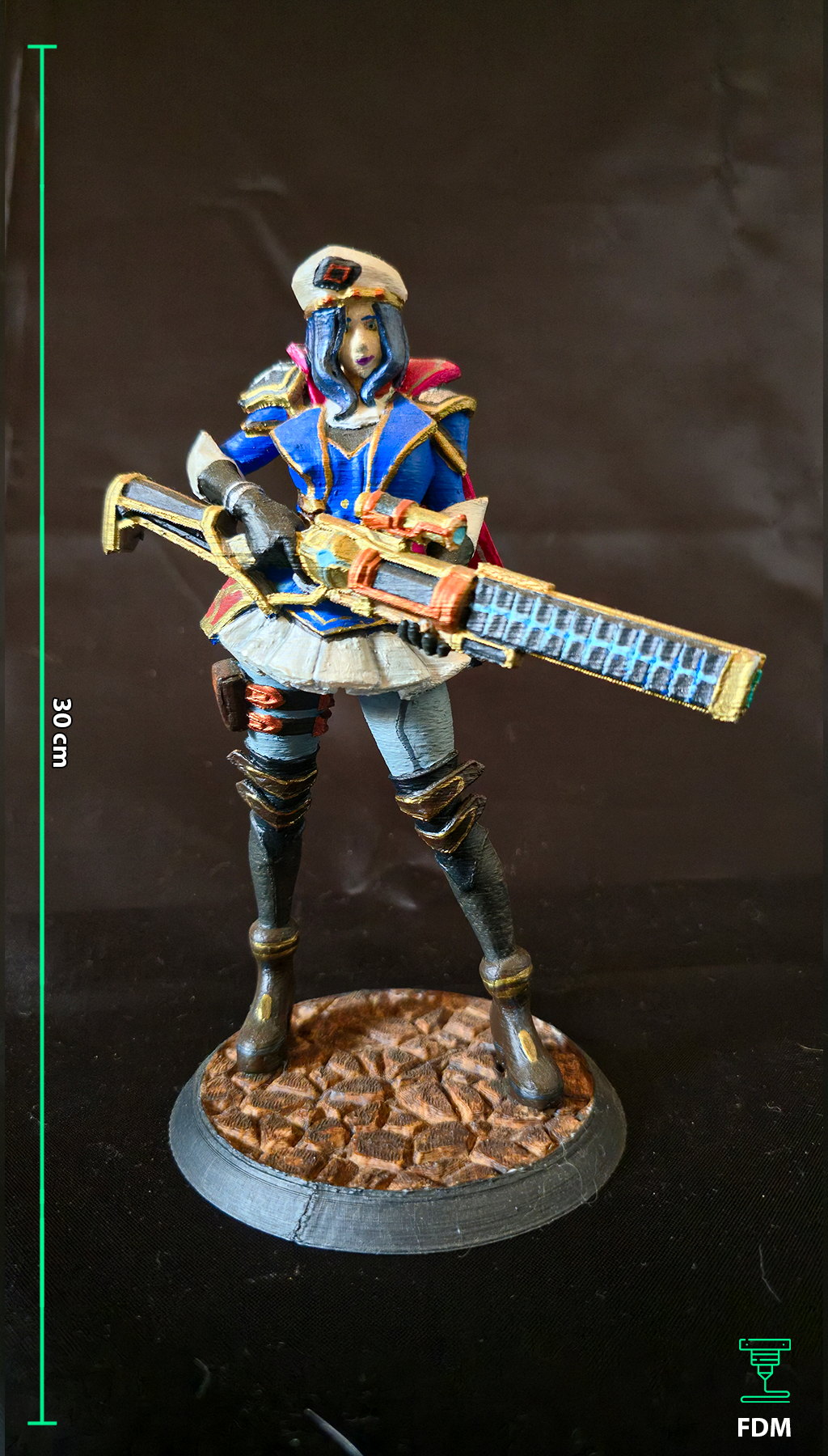
Yes! We can print in a variety of solid colours, metallics, and even “silk” finishes. If your project requires multiple colours in one piece, we can discuss multi-material printing or professional painting options.
Absolutely. FDM plastics like PLA and PETG take paint very well. We recommend a coat of primer first to ensure your final paint job looks professional and lasts a long time
We can print with “translucent” filaments that allow light to pass through. While they aren’t “window-clear,” they are excellent for light diffusers, lampshades, or glowing prop components.
Because FDM builds parts layer-by-layer, a subtle textured “grain” is visible on the surface. While not as glass-smooth as resin out of the box, FDM parts are very easy to sand, prime, and paint for a professional, high-end finish.
Absolutely. By choosing specific materials like ASA or PETG, we can create parts that are UV-resistant and can withstand higher temperatures (like inside a car on a hot day), which is a common limitation of standard filament.
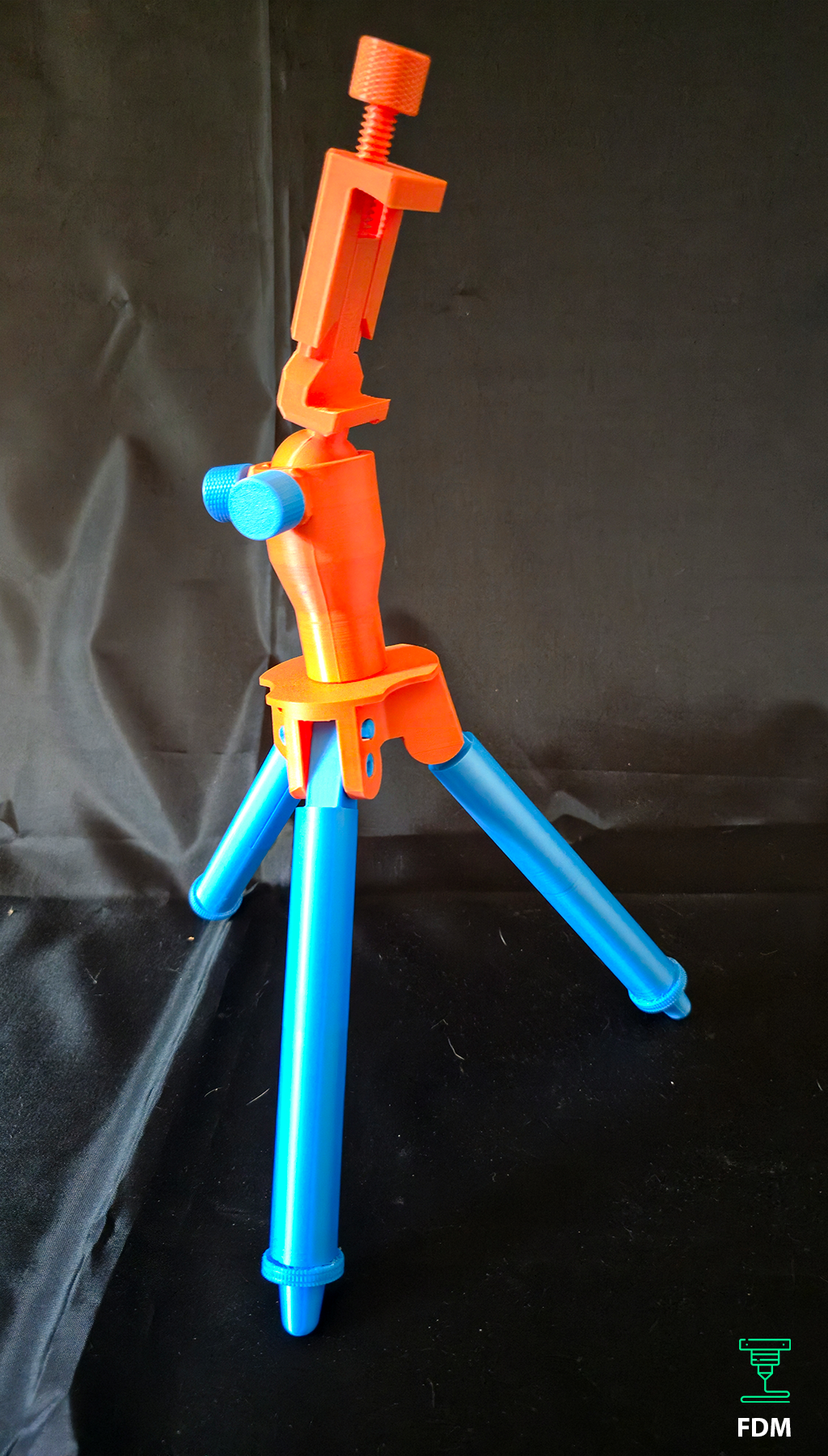
We can adjust the “infill” (the internal support structure) to make your part lightweight or nearly solid. This makes FDM the go-to for brackets, replacement low-weight bearing gears, and low-weight load-bearing components.
Yes. FDM is excellent for functional assemblies. Whether you need a lid that snaps onto a box or a complex multi-part mechanical model, we calibrate for “tolerances” to ensure your components fit together perfectly. We also offer assembly as an additional service.